

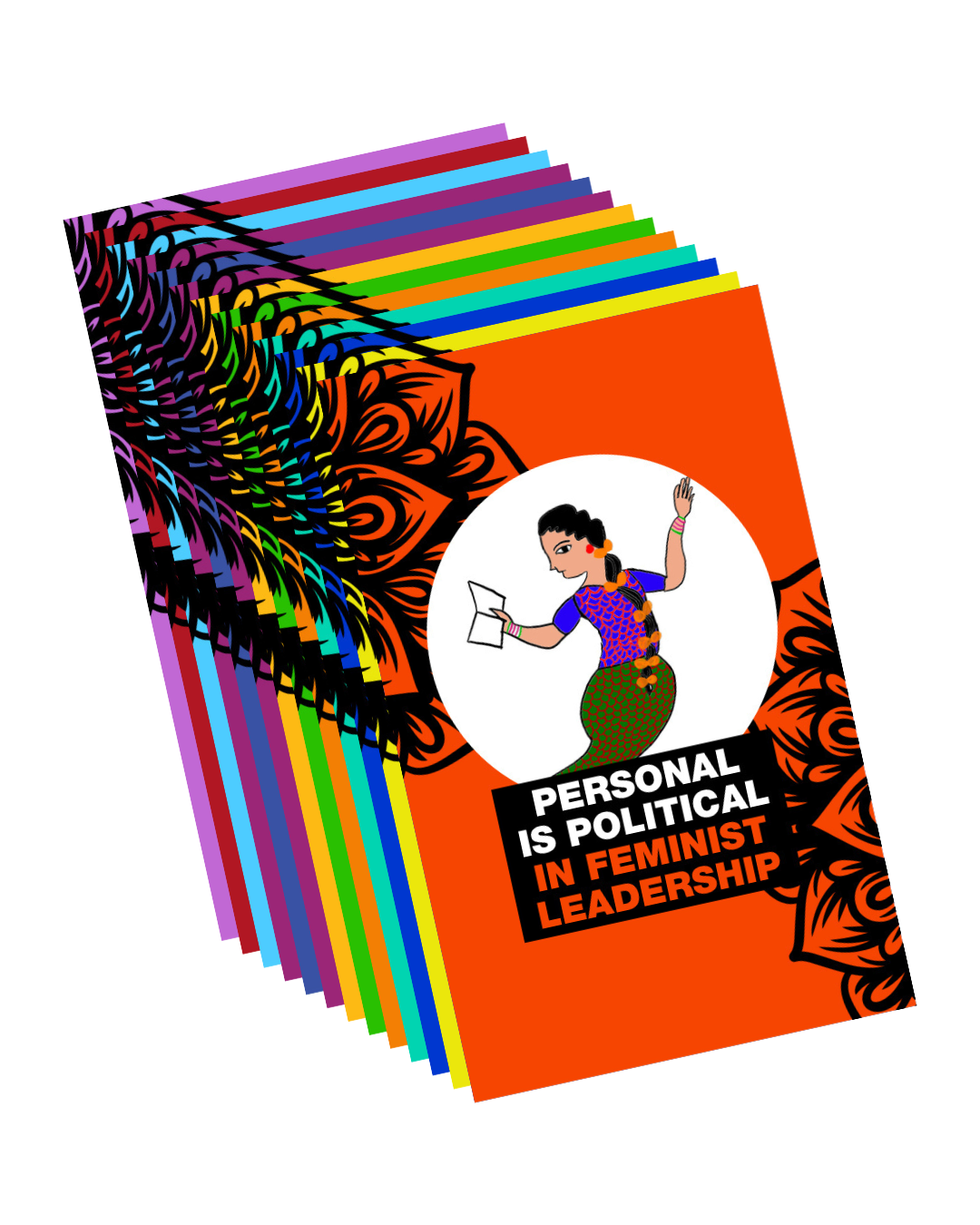
Who is it for?
This resource is for trainers, facilitators, activists, educators, and anyone interested in feminism and gender justice. Whether you are new to feminist ideas or looking to deepen your practice, these cards offer accessible entry points and practical tools.
DOWNLOAD THEM HERE
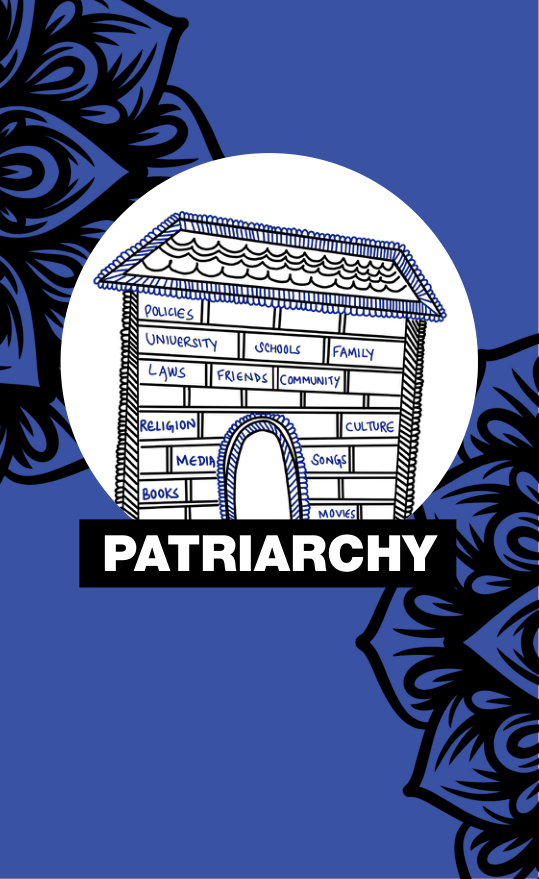
Patriarchy
This card introduces the concept of patriarchy, explaining how systems of male dominance influence politics, economies, cultures, and everyday life. It provides key reflection points and practical tools to help analyze how patriarchy operates—and how it can be challenged.
Unpacking Feminism – Theories
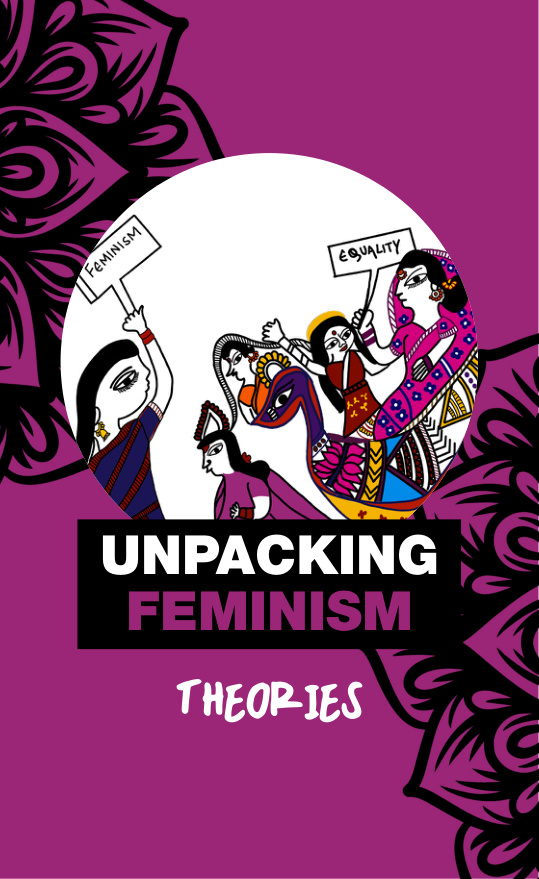
This card offers a bird’s-eye view of the evolution of feminist theories. From liberal and radical feminism to ecofeminism and decolonial feminism, it explores how different approaches address gender-based discrimination while recognizing intersecting identities and systems of oppression.
Unpacking Feminism – Historical Waves
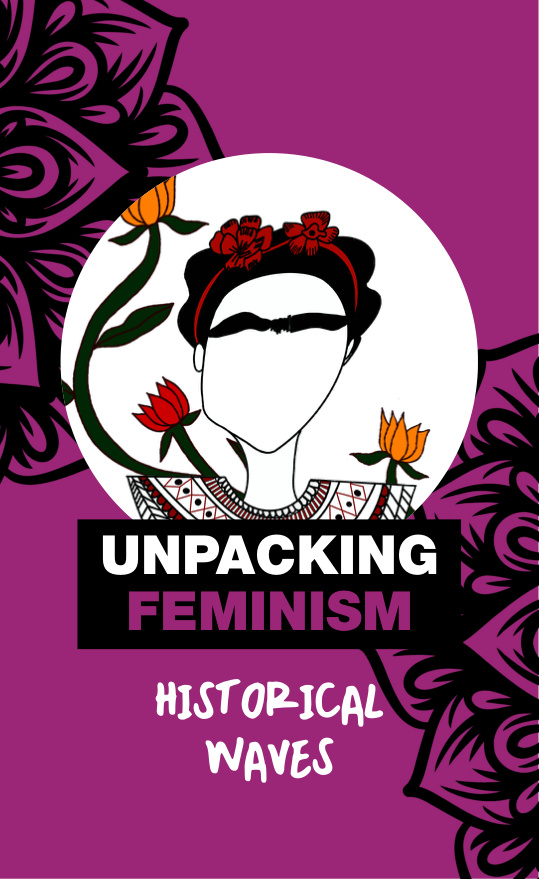
This card traces the historical waves of feminism, showing how movements have evolved through struggle, learning, and collective action. It highlights how past feminist waves remain relevant today and offers practical tips for applying feminist ideas in current contexts.
Intersectionality
This card introduces intersectionality, a term coined by Kimberlé Crenshaw, while acknowledging that the concept has long been practiced and theorized by activists in the Global South. It provides tools to understand how overlapping identities—such as race, class, gender, sexuality, and ability—shape lived experiences of discrimination and privilege.
Bodily Integrity and Autonomy
This card explores what bodily integrity and autonomy mean in practice. It examines how power and social norms shape relationships with our bodies and highlights how stereotypes—particularly about young women—affect lived experiences and choices.

Transformative Feminist Leadership
This card introduces transformative feminist leadership—what it is, where it can be applied, and how it challenges traditional power models. It includes tools for reflection and practice, helping leaders embed feminist values into everyday decision-making and action.
Power
This card explores the visible, hidden, and invisible faces of power. It offers practical tools to analyze how power operates in institutions, communities, and personal relationships, while addressing the challenges of confronting deeply embedded and normalized forms of control.
Principles and Values
This card highlights that feminist leadership is not just about holding values—it’s about actively practicing them. It explores how principles such as justice, inclusion, accountability, and solidarity guide leadership that challenges patriarchy and exclusion.
Feminist Leadership in Practice
This card focuses on real-world application. It outlines essential practices feminist leaders can adopt, shares innovative approaches from young feminists, and includes a case study from Kenya. It offers insights into how leadership can actively promote equity and inclusion.
Feminist Movement Building
This card explains how feminist movements emerge and grow. It provides a step-by-step guide to starting, mobilizing, and sustaining movements, highlighting collective power, strategy, and solidarity as key ingredients for long-term change.
Feminist Popular Education
Inspired by traditions of critical pedagogy such as those developed by Paulo Freire, this card explores feminist popular education as a participatory and transformative learning approach. It shows how to create safe spaces for dialogue, reflection, and action, and includes practical facilitation tools.
The Personal Is Political
This card unpacks the feminist idea that personal experiences reflect larger social and political structures. It connects lived experience to leadership and resistance, offering tools to analyze structural inequality and practical tips on feminist storytelling.
Intergenerational Dialogue
This card explores intergenerational feminist leadership and why collaboration across generations strengthens movements. It highlights guiding principles for mutual respect, shared learning, and collective advancement of feminist goals.
Self-Care
This card reframes self-care as both a personal and political act. It explores how structural inequality affects women’s ability to care for themselves and emphasizes the importance of collective care. It includes practical tools for sustaining well-being in activism and leadership.
Unpacking Sexuality
This card clarifies key concepts related to sexuality, including sexual and romantic orientation, gender, and sex. It provides accessible definitions and encourages reflection on how identity is shaped by both personal experience and social norms.